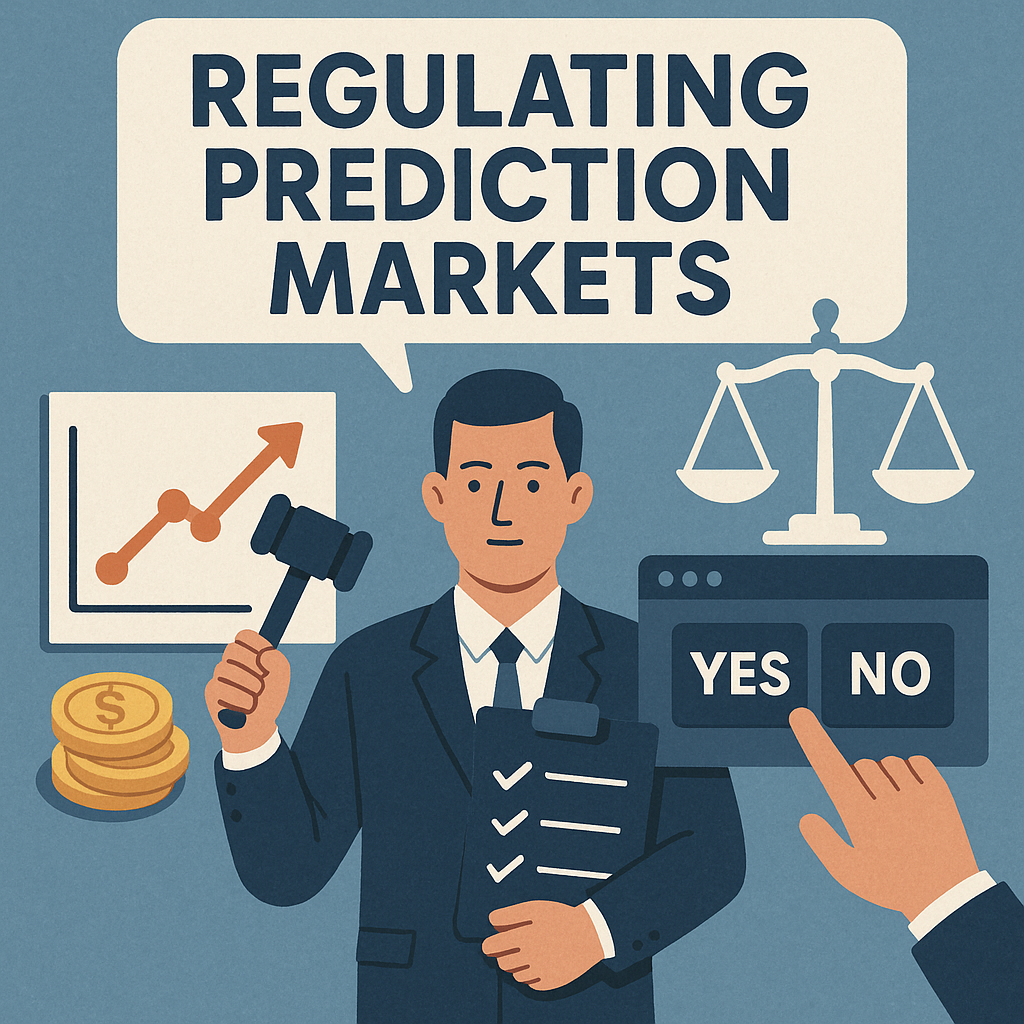
With France officially outlawing and blocking Polymarket today, following Singapore’s strict enforcement actions back in 2025, a definitive line has been drawn. Regulators are no longer treating decentralised prediction markets as novel data-forecasting tools. They are treating them exactly as the law dictates: unregulated, high-stakes remote gambling services.
The global clampdown is accelerating. In Singapore, the Gambling Regulatory Authority (GRA) and the Monetary Authority of Singapore (MAS) have already established a hard boundary, categorising crypto-based event wagering under the Gambling Control Act 2022.
By bypassing mandatory Payment Services Act licensing and operating without Anti-Money Laundering (AML) telemetry, prediction market platforms lack foundational compliance architecture, resulting in a fractured ecosystem, and users can face criminal liabilities for bypassing blocks to place bets or engage in illegal remote gambling.
Yet, total prohibition misses the point. The underlying technology of a prediction market—crowdsourcing collective intelligence to price probability—holds genuine operational value for analysts, researchers, and financial institutions. The issue is not the product itself, but the anti-regulatory framework in which it has been allowed to mature.
Indeed, the baseline concept of event forecasting is neither inherently toxic nor unprecedented. In Singapore, the state-licensed operator, Singapore Pools, runs structured sports forecasting models, such as its legal 'Predict & Win' campaigns for major football leagues.
The core consumer mechanics are nearly identical: participants evaluate metrics to forecast real-world outcomes. The fundamental divergence lies entirely in structural legitimacy.
While the state-sanctioned alternative operates behind rigid, identity-verified parameters, decentralised prediction markets have historically chosen to operate in a regulatory vacuum. Trying to ban a decentralised protocol out of existence is a mechanical impossibility; forcing the ecosystem into a legitimate, regulated architecture could be a realistic solution.
A pathway for conditional legality could be established. Prediction markets should be permitted to operate, but only if they submit to the exact same rigorous frameworks that govern traditional remote casinos.
A casino-grade regulatory blueprint for prediction markets must rest on three non-negotiable pillars:
- Mandatory, Automated KYC: Using an anonymous web3 wallet to place a bet must end. Platforms must integrate advanced identity verification systems to fully authenticate users before a single digital token can be wagered.
- Strict Age Restrictions: Just as physical and digital casinos enforce strict legal age boundaries to protect vulnerable demographics, prediction platforms must implement bulletproof age-gating mechanisms.
- Continuous Customer Due Diligence (CDD): Platforms must move beyond initial onboarding checks. They must deploy real-time monitoring tools capable of tracking unusual betting volumes, identifying source of funds (SOF), and preventing the platforms from becoming conduits for illicit finance.
- Payment Services Act: Because the platform uses cryptocurrency (specifically USD Coin) to purchase event shares, MAS noted that mandatory licences are required to facilitate digital token transaction services.
As MAS noted during its evaluation, the current lack of consumer recourse and AML oversight presents severe systemic risks. If prediction markets want a permanent seat at the table, more must be done on regulatory insights.
Banning these platforms entirely will only drive volume deeper into the shadows of the dark web. The path forward requires enforcing regulatory laws on prediction markets, forcing them to adopt the compliance realities of the financial and igaming industries, and ensuring that those who refuse to adapt are permanently shut out of the market.
What are your thoughts on this?